
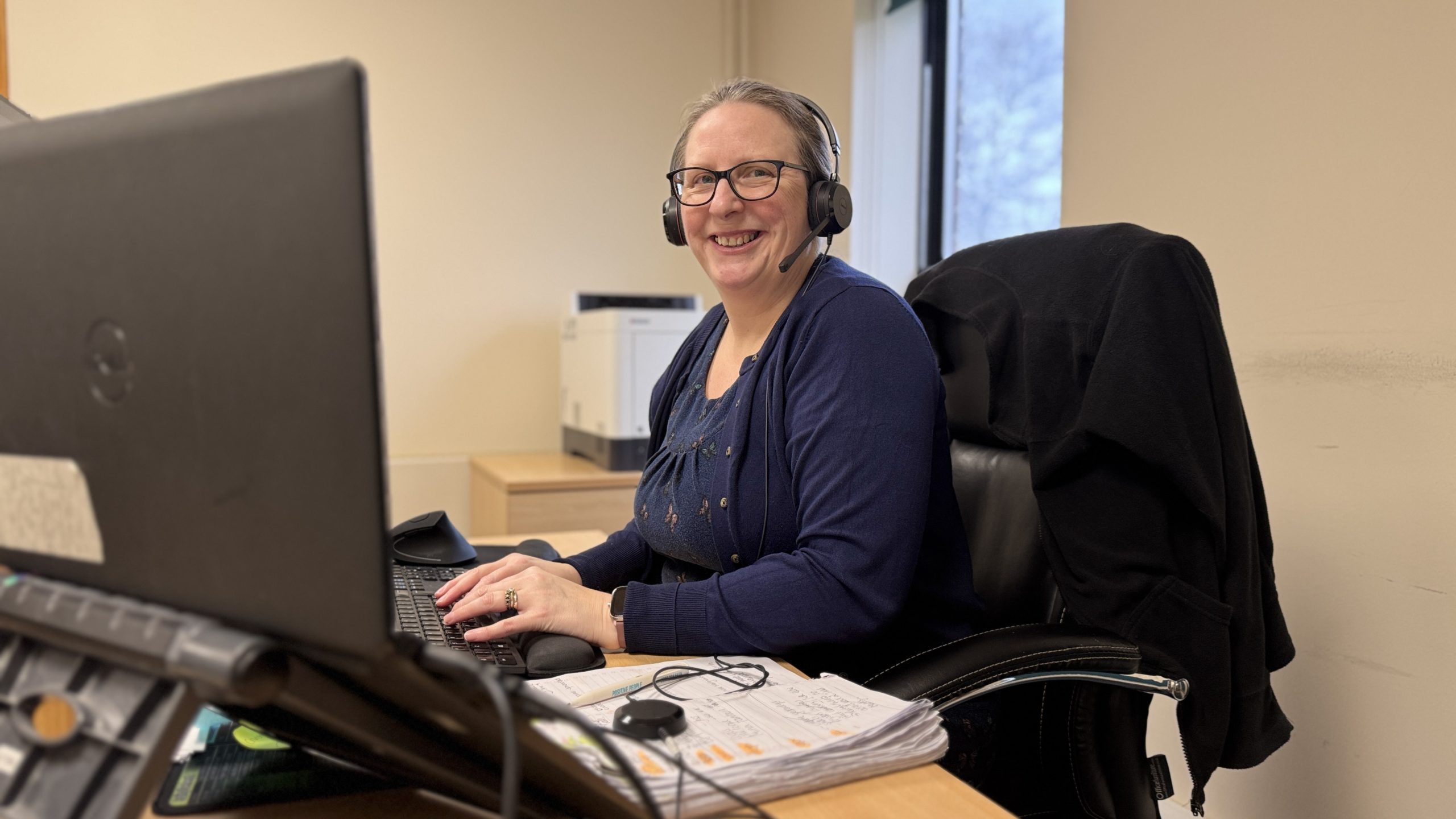
Written by Sarah Lapping – Projects Officer at Cosmic and Participant of a 60‑hour Cosmic AI Skills Bootcamp
Perimenopause/menopause can make a normal workday feel harder than it used to be. Tiredness, brain fog, hot flushes and broken sleep often show up at the worst possible moments.
I have felt that dip myself on busy days. As a Project Coordinator at Cosmic on the AI for Workplace Productivity Skills Bootcamp programme, I started using simple, workplace‑approved AI tools to help me stay focused and calm. As part of this, I also enrolled on a 60‑hour AI Skills Bootcamp, which helped me understand how to use AI safely, practically and confidently in my day‑to‑day work.
Small things like tidying emails, creating quick summaries and setting gentle reminders made a real difference. They did not change who I am at work, they simply helped me keep going with more ease.
Research in the UK shows how much this kind of practical support matters. The Fawcett Society reported in 2022 that one in ten women had left a job because of menopause symptoms. CIPD research in 2023 found that most women aged forty to sixty said their symptoms had a mostly negative effect on them at work.
1. What Perimenopause Can Feel Like at Work
Common symptoms include tiredness, brain fog, hot flushes, difficulty concentrating and feeling overwhelmed. Many women say they still care deeply about their job, but the day feels heavier than it once did.
I have seen this in colleagues and lived it myself during busy project phases. What often goes unnoticed is the extra effort it takes just to keep up, especially on days when sleep has been poor or symptoms feel stronger.
Research from organisations such as the Fawcett Society and the CIPD also shows that many women feel unsupported at work and do not always feel able to talk openly about what they are experiencing.
2. Small Ways AI Can Ease the Load
When I first tried using AI, I kept things simple. I focused on day‑to‑day tasks rather than anything complicated. On low‑energy days, that mattered.
Here are a few gentle ways AI can help:
- Get a short summary of a long email
- Turn messy notes into a clear list of actions
- Draft a calm, plain‑English reply
- Explain a long document in simple language
- Set reminders so you don’t have to hold everything in your head
AI does not replace your skill or judgement. It simply gives you a helpful starting point when your energy is low.
If your workplace uses Microsoft 365, you may also have access to Copilot learning modules, which are designed to help people build confidence one step at a time.
3. Making Meetings Easier
Meetings can feel especially challenging on days when sleep has been broken or symptoms are distracting. I have been in meetings where I nodded along and realised afterwards that very little had stuck.
AI can help by turning meeting notes into clear summaries. It can highlight key decisions and actions, making them easy to review later. This is particularly useful if you struggle to process information quickly on certain days.
As with any digital tool, it is important to use workplace‑approved systems and follow your organisation’s data policies. Many organisations now include AI in their digital guidance, and it is always best to use official tools rather than personal apps. NHS guidance for managers also highlights the importance of clear, supportive workplace processes for women experiencing menopause symptoms.
4. Little Confidence Boosts on Hard Days
Perimenopause can affect confidence, not because skills disappear, but because everything takes more effort.
AI can offer a gentle lift by helping you get started:
- It creates a first draft so you are not facing a blank page
- It helps you find a clear, steady tone when you are tired
- It checks spelling and grammar without judgement
- It can turn scattered thoughts into a simple plan
A real example from my own work
A few months ago I had to write a project update for several partners. I knew the message in my head, but I was exhausted after a bad night’s sleep and the words just would not come.
I took my rough notes and asked my AI tool to create a short summary. It organised everything clearly and even highlighted a point I had missed. I still reviewed and edited it, but having a clear starting point reduced my stress and saved me around half an hour. It changed the tone of my whole day.
5. Common Work Hurdles and Simple AI Supports
| Work hurdle | AI support | Why it helps |
| Brain fog | Short summaries and simple explanations | Helps you understand things quickly |
| Poor sleep | Clear meeting notes | Makes it easy to catch up |
| Busy inbox | Tidied emails and tone suggestions | Saves mental energy |
| Jumbled tasks | Create a timeline from your notes | Shows what to do next |
| Fear of missing something | Reminders and checklists | Keeps things organised and safe |
AI is only one form of support. The NHS also recommends options such as CBT, flexible breaks, temperature control at work, and speaking to a menopause specialist where needed.
6. What We’re Seeing Through Cosmic’s AI Skills Bootcamp
Alongside using AI in my own role, I am currently enrolled on Cosmic’s 60‑hour AI Skills Bootcamp. Being part of the learning programme has helped me move from curiosity to confidence.
What has mattered most for me is learning in a structured, supportive way. The programme focuses on real workplace situations rather than technical jargon, which makes it much easier to see how AI can genuinely reduce mental load rather than add to it.
Learning this way has also reinforced something important for me: you do not need to know everything to start. You just need a safe place to ask questions and permission to try things one step at a time.
For women experiencing perimenopause, this approach feels especially important. When energy is limited, learning needs to feel manageable and relevant. What I see again and again is relief, that AI can reduce mental load rather than add to it.
Reliable Resources
- NHS menopause guidance and support
- CIPD Menopause in the Workplace report
- The Fawcett Society Menopause and the Workplace research
- British Menopause Society workplace guidance
- Equality and Human Rights Commission: Menopause in the workplace guidance for employers
Frequently Asked Questions
- Is AI safe for sensitive information?
Yes, when you use approved workplace tools. Always follow your organisation’s data rules. If you are unsure, ask your manager or IT team. - Does using AI mean I can’t do my job properly?
No. It is similar to using spell check or a calculator. You still make the decisions. - Will AI replace my role?
Not directly. AI is more likely to change how you work than replace you altogether. The bigger risk is for people who don’t engage with new tools as they become part of everyday work. AI is great at supporting routine admin and repetitive tasks, but it can’t replace human judgement, empathy, creativity, or real-world experience. Learning how to use AI can actually make your role more secure – and may open up new opportunities rather than close doors. - What if technology makes me nervous?
Start small. Try asking for one email summary a day. Most people find it easier than expected. - Should workplaces offer AI training?
Yes. Even short sessions can reduce stress and help people feel more confident.
What to Do Next
If this article resonates with you, start small. Choose one task today and ask your AI tool for a short summary and two next steps. If it helps, try another tomorrow. Small steps can quickly build confidence and reduce stress.
If you are an employer, manager or organisation thinking about how to better support women at work, including those experiencing perimenopause, speak to Cosmic. We can help you explore what thoughtful, inclusive AI support could look like for your workplace, from awareness sessions through to structured learning such as our AI Skills Bootcamp.
AI is not a solution on its own. But used well, and introduced with care, it can be part of a wider conversation about wellbeing, inclusion and keeping experienced people thriving at work.